

What is egg freezing?
Egg freezing, formally known as oocyte cryopreservation, involves extracting and putting oocytes, or eggs, aside in frozen storage for future fertilization and use in your family-building. The amount of people electing to freeze their eggs has quadrupled over the last decade.
(source)
TL;DR
- IVF = In Vitro Fertilization
- ART = Assisted Reproductive Technology
How does egg freezing work?
After some testing to get a sense of your ovarian reserve (the total number of eggs in your ovaries), you’ll take a customized dose of hormone injections over 9-14 days to help encourage maturation of all the egg follicles your ovaries offered up in that given month.
Then, you’ll schedule a procedure called an egg retrieval to extract the eggs that grew over that stimulation process. All of the mature eggs that come from that will be frozen (vitrified in liquid nitrogen) and put in storage for safe keeping, and you can go back and use them for fertilization whenever you choose to grow your family.
- Evaluate egg reserve → stimulate ovaries to develop those eggs
- Retrieve eggs → cryopreserve mature eggs
- Potentially repeat the process → may take two or more cycles to secure “enough” eggs, depending on your age and ovarian reserve

The most commonly cited reasons for choosing egg freezing include waiting for the right partner to parent with, and needing more workplace flexibility around childcare.
No matter your "why," you’re in good company.
How much does egg freezing cost?
Egg freezing typically costs between $8,000 and $12,000 per cycle, which includes the price of testing, monitoring, egg retrieval, and cryopreservation. Medications can cost $3,000 to $6,000 per cycle. Frozen egg storage is an additional cost per year, ranging from $450 to $1800 annually depending on where you live. Our member perks include access to discounted medications and long-term storage options.


Fertility preservation today requires women to be an unpaid project manager for their own family planning, but now, Sunfish makes the process more seamless and supportive so women don't have to go at it alone like I did. ”

What is egg freezing vs. IVF?
Egg freezing, in many cases, is a precursor to in vitro fertilization (IVF). Both processes begin with ovarian stimulation via injectable medications, and an egg retrieval. If you choose to freeze your eggs now, you can thaw them later on, and then undergo the process of IVF: fertilization with sperm in the lab and implantation into the uterus to hopefully achieve a successful pregnancy.
Choosing IVF over egg freezing means taking the freshly extracted eggs, fertilizing them with sperm in a lab, and then either freezing the embryos or implanting them directly into the uterus.
If you are interested in fertilizing the eggs and creating embryos to cryopreserve (without immediate implantation), that is called embryo freezing or banking.
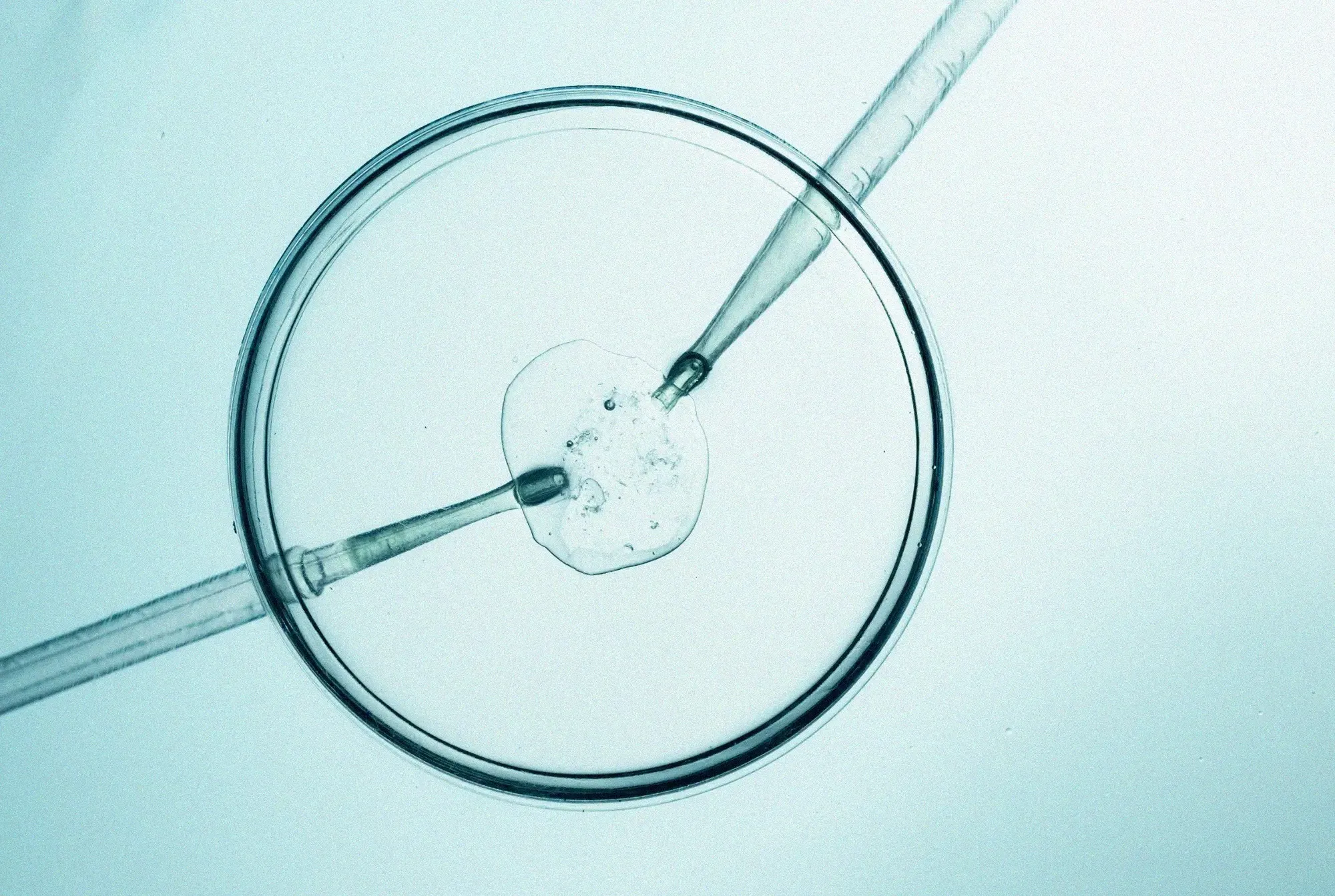
When is egg freezing needed? Where can I do egg freezing?
If you want to become a parent one day, but want to put it off until you feel like your job, living situation, or relationship are exactly where you want them to be, freezing your eggs could be a good choice to increase your family-building options later on. And if you don’t know if you want to have kids, it gives you time to make that decision on your terms - or maintain flexibility if your decision one day changes.
Additionally, diagnoses of particular medical conditions that can affect fertility, including endometriosis, or those that require certain surgeries or radiation treatments, may prompt you to consider cryopreservation. Egg freezing is done at a fertility clinic, and luckily we have plenty of clinic partners for you to choose from in order to find the right fit near you.
It’s important to note that egg freezing isn’t a guarantee. Egg freezing can help provide more options, but not all frozen eggs will survive the thaw, or be fertilized into chromosomally normal embryos. It’s important to talk to your doctor to understand what your expectations should be, prior to starting an egg freezing cycle.


Reproductive Endocrinologist at HRC Fertility in San Francisco Bay Area
Stanford Fellow
Author and Researcher on IVF Financial Access